Interior Demolition in Jackson, MS: What Homeowners Need to Know
Interior demolition in Jackson, MS covers non-structural work such as removing walls, flooring, cabinets, fixtures, and drywall to prep a space for renovation. It differs from structural demolition, which involves load-bearing walls and requires an engineer. Permits depend on the scope of work and the municipality, older homes should be checked for lead or asbestos before demo starts, and a professional crew typically handles both the teardown and debris removal in one visit.
Introduction
A homeowner ready to gut an outdated kitchen or take down a dividing wall before an open-concept remodel faces a question early in the process: how much of this is demo work, and how much requires a licensed contractor or engineer. Interior demolition Jackson MS covers the first category, the non-structural teardown that clears a space before construction begins.
This is different from full structural demolition, which involves load-bearing walls, foundations, or tearing down an entire building. Interior demolition focuses on what is inside the shell of a home: walls that do not hold up the structure, flooring, cabinetry, fixtures, and drywall.
This guide covers what interior demolition includes, when a permit is needed in Mississippi, what to check for in older homes before work starts, how debris gets handled, and what factors affect pricing for a typical Jackson-area project. It also compares hiring a professional crew against a DIY approach, since that decision affects both the safety and the overall cost of a renovation.
Jackson's housing stock includes a mix of older homes built before modern lead and asbestos regulations and newer construction without those concerns. Knowing which category a home falls into, and understanding the difference between interior and structural demolition, helps set realistic expectations before the first wall comes down.
What Is Interior Demolition?
Interior demolition Jackson MS refers to the removal of non-structural elements inside a home or commercial space, clearing the way for a renovation without touching the parts of the building that hold it up.
Work typically covered under interior demolition includes:
● Removal of non-structural walls and partitions that divide rooms without supporting the building above.
● Flooring removal, including tile, hardwood, laminate, and carpet down to the subfloor.
● Cabinet and countertop tear-out in kitchens and bathrooms ahead of a remodel.
● Fixture removal, such as sinks, toilets, vanities, and tubs.
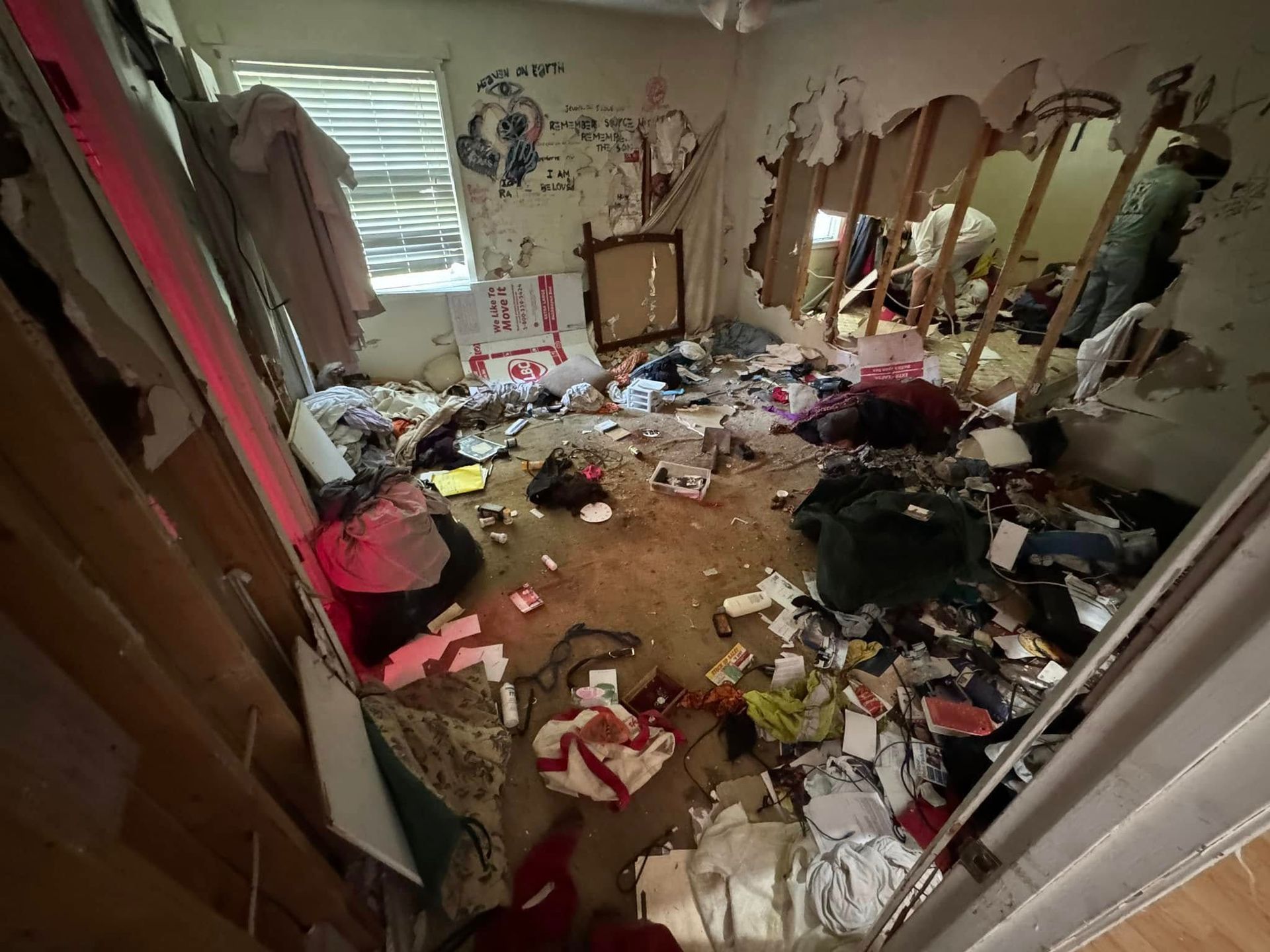
● Ceiling and drywall removal where walls or ceilings need to come down to studs.
● Trim and door frame removal as part of clearing a room to bare framing.
A crew handling interior demolition services in Jackson, MS works within the existing structure of a home, which is a different scope of work than a project touching the foundation, roofline, or load-bearing framing.
What to Expect on Demo Day
Homeowners scheduling interior demolition for the first time often want a clear picture of how the day actually unfolds, beyond just the estimate and the invoice.
● A pre-demo walkthrough confirms the scope of work, identifies any fixtures or materials that need special handling, and flags anything that looks like it may need testing before work starts.
● Protective measures such as plastic sheeting or floor protection keep dust and debris contained to the work area rather than spreading through the rest of the home.
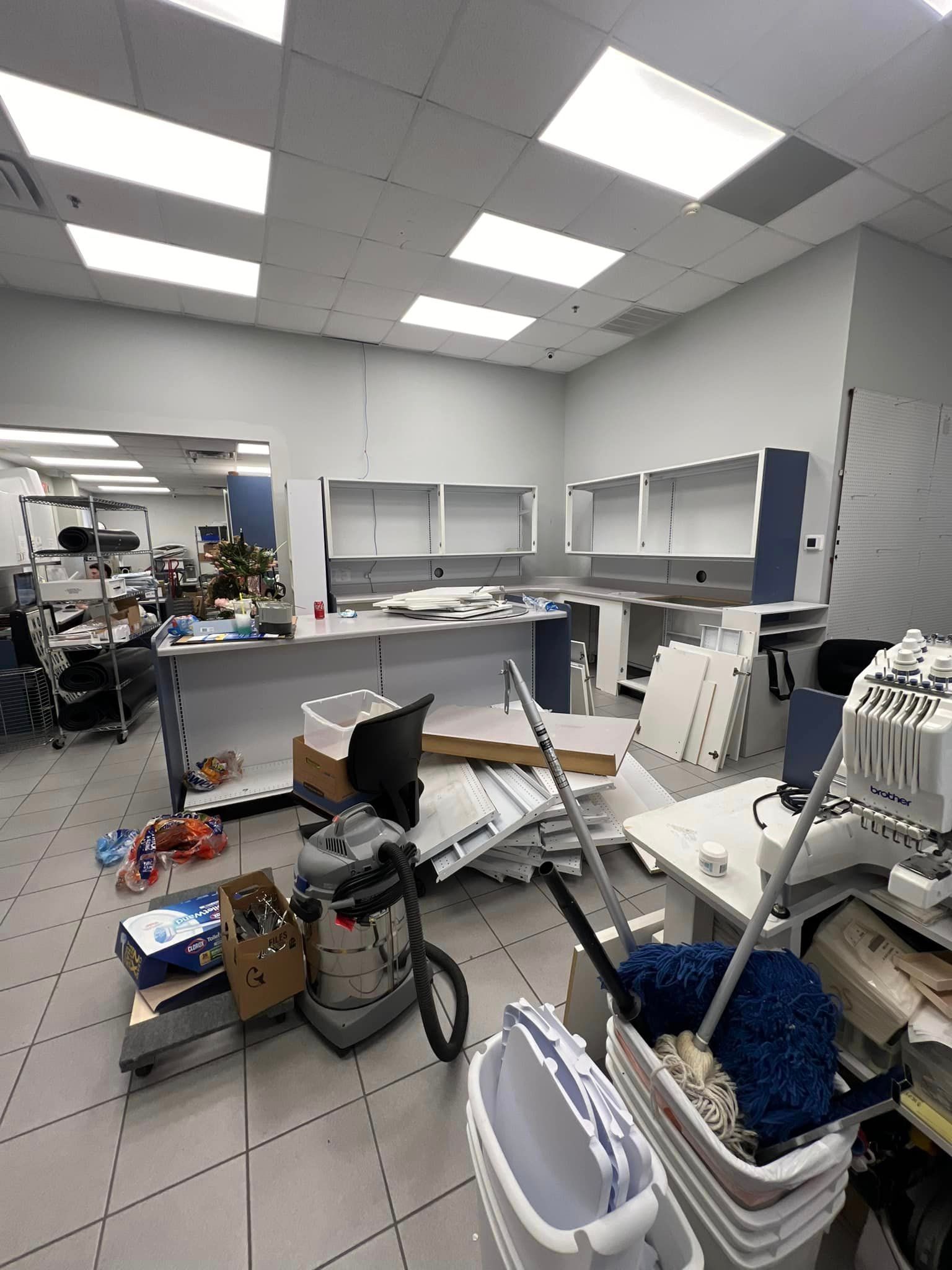
● The teardown itself proceeds room by room, with a crew removing cabinetry, flooring, drywall, or fixtures according to the agreed scope.
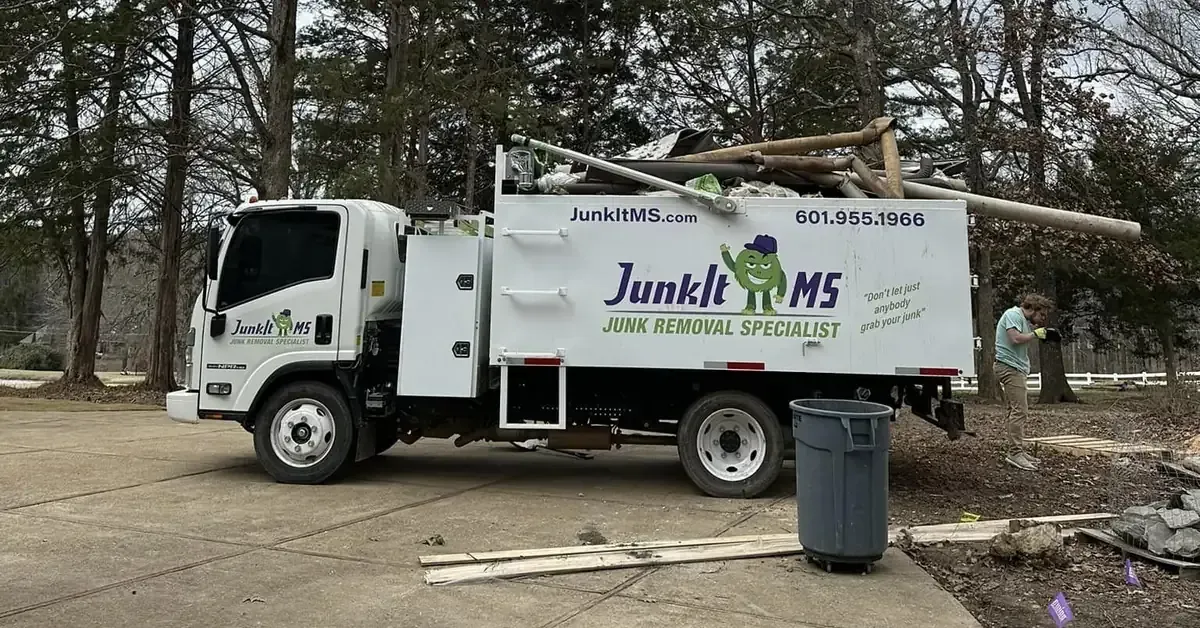
● Debris removal typically happens as part of the same visit, so the space is left clear rather than piled with material waiting for a separate haul-away.
A single room, such as a kitchen or bathroom, often takes one to two days for a professional crew, while larger projects spanning multiple rooms can take longer depending on material types, access, and disposal needs. Getting a free estimate ahead of time typically includes a timeline alongside the price, which helps coordinate the rest of a renovation schedule with other trades.
Interior Demolition vs. Structural Demolition: Key Differences
Understanding the line between interior demolition and structural demolition matters before hiring anyone, since the two require different expertise, permits, and equipment.
● Interior demolition involves non-structural elements: partition walls, flooring, cabinetry, fixtures, and finishes that can be removed without affecting the building's structural integrity.
● Structural demolition involves load-bearing walls, foundations, roof structures, or tearing down a building entirely, and typically requires a structural engineer's involvement.
● Scope of tools and crew differs as well, since interior demo relies on hand tools, pry bars, and smaller equipment, while structural work often involves heavy machinery.
● Permitting requirements tend to be more extensive for structural work, since altering load-bearing elements affects the safety of the entire building.
A homeowner planning to remove a wall should confirm whether that wall is load-bearing before assuming the project falls under interior demolition. A licensed contractor or a structural engineer can make that determination when there is any doubt, since removing a load-bearing wall without proper support in place creates a serious safety risk.
When Do You Need Interior Demolition?
Several common renovation scenarios call for professional interior demolition Jackson MS services rather than a DIY approach:
● Kitchen remodels requiring cabinet and countertop tear-out before new installations go in.
● Bathroom renovations removing tile, fixtures, and drywall down to the studs.
● Open-concept conversions removing non-load-bearing walls to combine two rooms into one.
● Basement finishing projects clearing old partitions, flooring, or outdated fixtures before a remodel.
● Commercial buildouts requiring tenant improvement demo to prepare a leased space for a new use.
Each of these projects benefits from a crew that understands how to remove materials cleanly without damaging surrounding surfaces, wiring, or plumbing that needs to stay in place for the renovation ahead. A demo crew familiar with residential construction can also spot potential issues, such as water damage behind tile or outdated wiring inside a wall cavity, before they turn into a larger problem mid-renovation.
Do You Need a Permit for Interior Demolition in Mississippi?
Permit requirements for interior demolition vary depending on the scope of the project and the specific municipality where the work takes place.
● Structural changes typically require a permit, since they affect the load path or safety of the building.
● Non-structural interior demo may not require a permit in every case, particularly for smaller projects like removing cabinetry or flooring.
● Checking with the local building department before starting work is the safest approach, since permit rules differ between Jackson, Madison County, and Rankin County.
● A licensed contractor or demo crew familiar with local requirements can help identify what applies to a specific project before work begins.
Skipping a required permit can create problems later, particularly when selling a home or filing an insurance claim tied to renovation work.
Confirming requirements with the relevant building department ahead of time avoids that risk entirely, and it typically takes far less time than dealing with a stop-work order or a permitting issue that surfaces after the demo is already finished.
Hazardous Materials to Check Before Demo: Lead and Asbestos
Older homes in the Jackson area may contain hazardous materials that need to be identified before any demolition work starts, since disturbing them during demo can create health risks.
● Homes built before 1978 may contain lead paint, which becomes hazardous when disturbed by sanding, scraping, or demolition.
● Homes built before 1980 may have asbestos in insulation, floor tiles, ceiling materials, or drywall joint compound.
● Testing before any demo work in older structures is the safest step, since these materials are not always visible or obvious.
● Licensed abatement contractors handle lead and asbestos removal separately from standard interior demolition, since this work requires specific certification and containment procedures.
The Environmental Protection Agency's EPA lead paint guidelines outline the risks associated with lead-based paint in older homes and what steps to take before renovation work begins. Testing ahead of time, rather than discovering a problem mid-project, keeps a renovation timeline and budget intact.
Older neighborhoods throughout Jackson and the surrounding metro area include a significant number of homes built well before 1978, which makes this step particularly relevant for renovations in established parts of the city. A demo crew that routinely works in older homes typically knows what signs to look for and when to recommend testing before proceeding, even when a homeowner has not raised the question directly.
What Happens to Demo Debris?
Handling debris is as much a part of the job as the teardown itself, and a professional approach to disposal keeps a renovation site safe and code-compliant.
● Demo crews typically haul debris away on the same visit, avoiding a pile of drywall, flooring, and cabinetry sitting on-site for days.
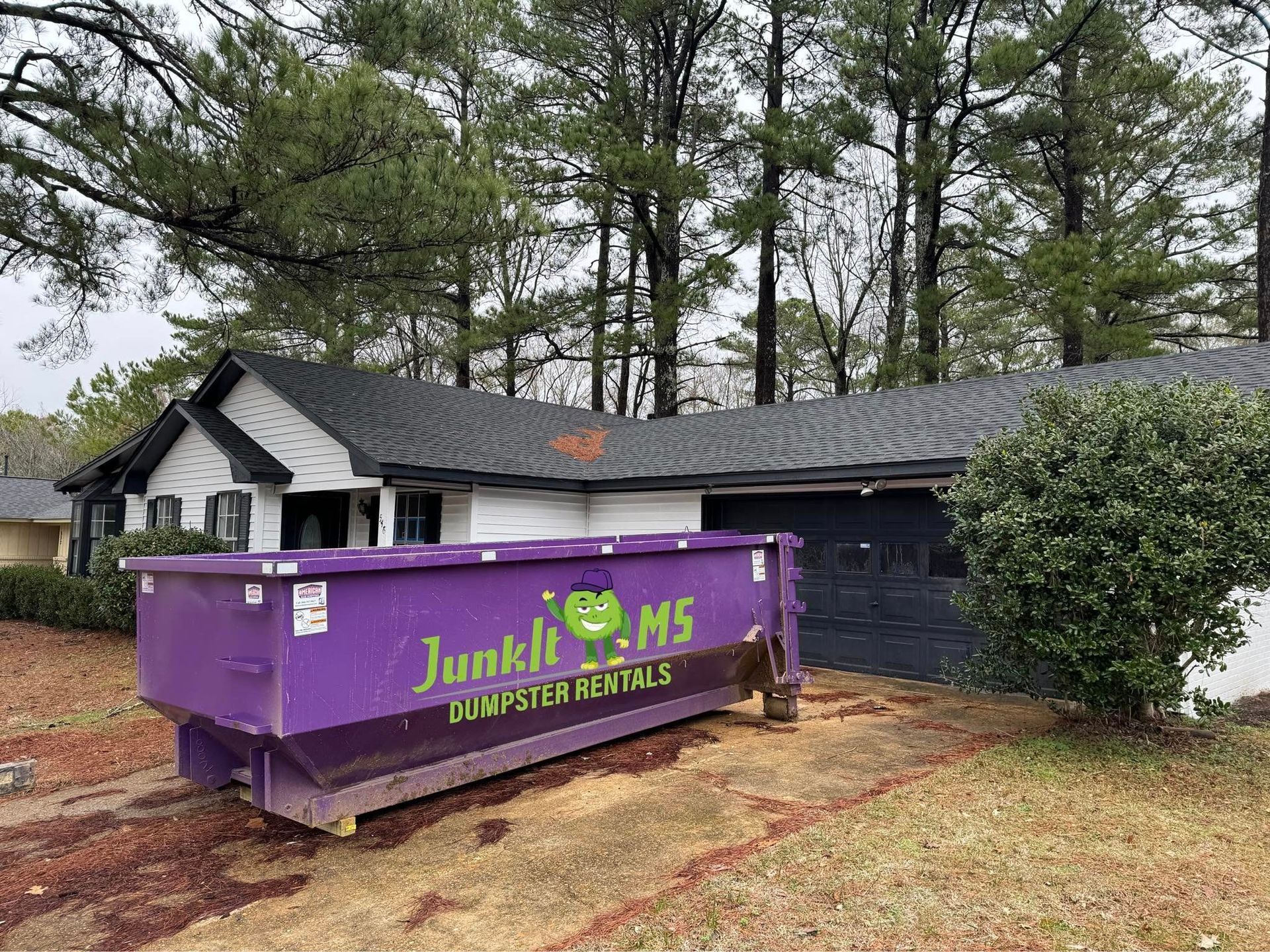
● Larger projects may benefit from an on-site dumpster rental, particularly for multi-room renovations generating debris over several days.
● Salvageable materials, such as cabinetry, fixtures, or trim in good condition, can often be donated rather than sent to a landfill.
● Proper disposal of drywall, tile, and construction waste follows local requirements rather than getting mixed in with regular household trash.
A renovation combining demo with a broader cleanout often pairs interior demolition with residential junk removal, since old furniture or unwanted items in a space frequently need to go at the same time as the construction debris. For projects spanning several days, a dumpster rental for renovation debris staged on-site keeps debris contained between demo phases rather than accumulating in a driveway or yard while the rest of the renovation gets underway.
How Interior Demolition Is Priced
Interior demolition pricing depends on several project-specific factors rather than a single flat rate across every job.
● Size of the area to be demoed is the starting point, since a single bathroom costs less to clear than an entire floor.
● Type of materials affects labor and disposal, since removing tile or hardwood takes more time than pulling up carpet.
● Debris volume and disposal requirements factor into the total cost, particularly for larger renovation projects.
● Access and complexity of the job matter as well, since a second-floor demo with limited access takes longer than a ground-floor space with a clear path to a truck.
● Free estimates are typically available before work begins, giving homeowners a confirmed number ahead of the project.
Comparing quotes on the same scope of work matters more than comparing a single dollar figure, since one estimate might include debris hauling while another treats it as a separate line item. Asking what is included in a quote avoids confusion once the invoice arrives.
DIY Interior Demo vs. Hiring a Professional Crew in Jackson
Some homeowners consider tackling interior demo without hiring a crew, particularly for smaller projects. Weighing the risks against the savings helps clarify when a professional makes more sense.
● DIY risks include structural damage from misjudging a load-bearing wall, hitting hidden electrical or plumbing lines, and safety hazards from unfamiliar tools or unstable materials.
● Professional demo tends to be faster and safer, with debris handled as part of the job rather than left for a separate cleanup.
● Cost comparison often favors hiring a pro once rental equipment, dump fees, and the time investment of a DIY approach are factored in.
● Situations that call for a professional every time include projects with suspected asbestos or lead, complex layouts involving multiple rooms, and any commercial project with tenant improvement requirements.
OSHA's OSHA demolition safety standards outline the hazards involved in demolition work, from structural instability to exposure risks, which reinforces why even interior-only projects benefit from an experienced crew rather than a weekend DIY attempt. A crew that handles interior demolition regularly also carries the right insurance for the work, which protects a homeowner from liability if something goes wrong during the teardown.
Interior Demolition for Jackson Homeowners and Contractors
Interior demolition Jackson MS services are available to homeowners and contractors across the metro area, including Jackson proper, Madison County, and Rankin County. Renovation and remodeling projects in these areas often follow similar patterns, from older homes needing lead and asbestos checks to newer construction requiring straightforward cabinet and flooring removal.
Contractors managing a renovation timeline benefit from a demo crew that can work around other trades, clearing a space quickly so framing, electrical, or plumbing work can begin on schedule. Homeowners managing their own renovation project benefit from the same reliability, along with the peace of mind of having debris removed rather than accumulating in a garage or yard during the project.
Whether the project is a single bathroom update in an established Jackson neighborhood or a full interior strip-out ahead of a whole-home renovation in Madison or Rankin County, the same core process applies: confirm the scope, check for permits and hazardous materials, and schedule a crew that handles both the teardown and the debris in one coordinated visit.
Conclusion
Interior demolition clears the way for a renovation safely, efficiently, and without the guesswork that comes with a DIY approach. From cabinet tear-outs and flooring removal to full room strip-outs before a remodel, understanding what falls under interior demolition versus structural demolition helps set the right expectations from the start.
Confirming permit requirements, checking for lead or asbestos in older homes, and choosing a crew that handles debris removal as part of the job all reduce the chances of a delay once the project is underway. These details matter just as much as the demolition itself, since a renovation timeline depends on the prep work happening cleanly and on schedule.
For homeowners and contractors in Jackson, Madison County, and Rankin County, hiring a professional crew for interior demolition Jackson MS projects means permits get checked, hazardous materials get identified before work begins, and debris gets hauled away rather than left behind. A free quote is available by calling or texting
(601) 955-1966, or by requesting a free demo quote online on
our website.